
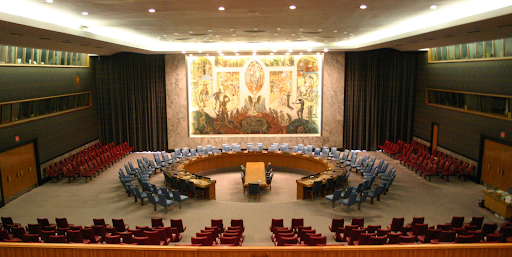
Russia’s ambassador to the UN issued a sharp rebuke following the Security Council’s adoption of a US-drafted Gaza resolution, accusing the body of “giving its blessing” to a US initiative without any real UN involvement. Ambassador Vasily Nebenzya, who abstained from the vote, warned that the council was endorsing a plan “on the basis of Washington’s promises” and ceding “complete control” to new, undefined US-led bodies. China’s ambassador also abstained, echoing the complaint that the UN has been given no clear role.
The resolution in question, which passed on Monday, endorses President Donald Trump’s 20-point plan to end the two-year war in Gaza. It authorizes the creation of a “Board of Peace,” a transitional authority to be chaired by Trump, which will oversee reconstruction. It also authorizes an “international stabilization force” (ISF) with a mandate to completely demilitarize the enclave by decommissioning weapons and destroying military infrastructure.
The US hailed the vote as a triumph. Ambassador Mike Waltz declared that the resolution “dismantles Hamas’ grip” and “charts a possible pathway for Palestinian self-determination.” President Trump took to social media to call the vote “a moment of true Historic proportion,” promising more details on his Board of Peace in the “coming weeks.”
This US-led framework, however, faces a wall of opposition on the ground. Hamas, the militant group that the ISF is meant to disarm, immediately rejected the resolution. In a statement, Hamas called the plan an “international guardianship mechanism” and emphatically stated that it “will not disarm,” posing a direct challenge to the new force.
In a complex diplomatic play, the Palestinian Authority, Hamas’s rival, welcomed the resolution. Diplomats suggested this endorsement was the critical factor that prevented Russia from using its veto. This support is likely tied to a clause referencing a “pathway to… statehood,” a clause that has, in turn, sparked public opposition from Israeli Prime Minister Benjamin Netanyahu, placing the new plan in a precarious position between all major parties.