
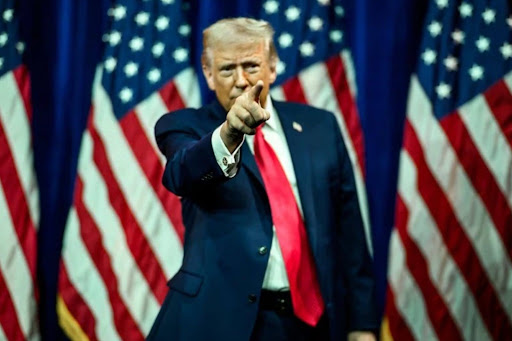
In a message that combined ultimatum and warning in equal measure, President Donald Trump told Iran on Thursday that the moment to move toward peace was now — and that if it passed, there would be no second chance. His Truth Social post claimed Iranian negotiators were privately desperate for a deal even as their government publicly projected composure, and Trump described the contradiction as both dishonest and dangerous. The now-or-never framing gave the message an urgency that was impossible to miss.
The US ceasefire proposal consists of 15 provisions and represents Washington’s most comprehensive diplomatic effort to end the conflict. Iran has been offered the lifting of economic sanctions, a phased nuclear rollback, missile restrictions, and the restoration of open navigation through the Strait of Hormuz. The Strait of Hormuz is of enormous global strategic significance, carrying roughly one-fifth of world oil supply. Iran’s rejection of the offer has been the primary obstacle to a ceasefire agreement.
Iran has publicly articulated its own peace conditions through state television, including demands for protection of its officials from targeted strikes, formal assurances against future wars, war reparations, and internationally recognized sovereignty over the Strait of Hormuz. These conditions are significantly more ambitious than Washington’s offer and reflect Tehran’s belief that any fair resolution must address the harm it has suffered and guarantee its future security. Closing the gap between the two sides’ expectations remains an enormous challenge.
The conflict has exacted a terrible price in human lives. Over 1,500 Iranians and nearly 1,100 Lebanese have been killed, with further casualties in Israel and across the region. Thirteen US troops have died, and millions of civilians in Iran and Lebanon remain displaced.
Trump’s now-or-never message on Thursday was a deadline wrapped in a warning: the opportunity exists today but may not exist tomorrow. Military operations continue to run alongside uncertain diplomacy, and the cost of failure grows with every passing hour. Iran’s response to this ultimatum may well be the most consequential diplomatic decision it makes in the current conflict.