
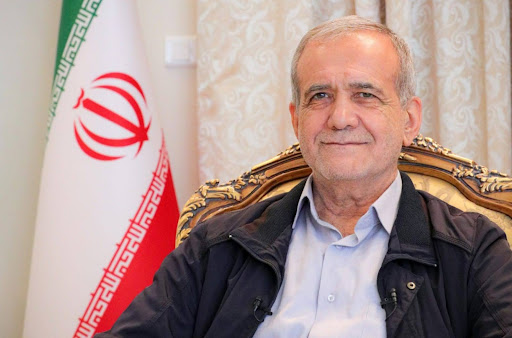
Iranian President Masoud Pezeshkian has argued that Gulf nations are paying too high a price for their alliance with Washington, making this the central argument in his latest message to neighbouring states. His statement, delivered more than a month into the Iran-US war, challenges Gulf governments to conduct a rigorous cost-benefit analysis of their current security arrangements. Tehran is clearly seeking to make the economic and security costs of the US alliance so visible that Gulf governments feel compelled to act.
Gulf countries including Saudi Arabia, the UAE, Kuwait, Qatar, and Oman have borne significant costs from the conflict, including damage caused by Iranian retaliatory strikes that followed US military operations launched from their territory. The economic and security toll has been substantial. Gulf governments are now questioning whether the benefits of their alliance with Washington justify the costs they are bearing.
On X, Pezeshkian laid out Iran’s non-preemptive but firmly retaliatory military stance, while making the cost argument explicit for Gulf leaders. He warned them that their alliance with Washington was costing them their security and development, and that the only path to genuine peace lay in denying enemy forces the use of their soil. The cost-benefit framing was deliberate and politically shrewd.
Pakistan has been an active and credible mediator in the conflict, with Prime Minister Shehbaz Sharif maintaining close engagement with Iranian leadership and other key parties. Sharif’s meeting with Pezeshkian confirmed that Iran views trust as the foundational prerequisite for any formal peace talks. Pakistan’s role has been praised by Tehran.
A key multilateral diplomatic meeting in Pakistan is gathering the foreign ministers of Saudi Arabia, Egypt, and Turkey for focused consultations on the conflict. Their discussions with Pakistani Foreign Minister Ishaq Dar and Prime Minister Sharif are focused on developing a coordinated regional approach to de-escalation. The talks represent a critical diplomatic opportunity to advance the search for peace.