
The Houthi Movement, supported by Iran, has announced a comprehensive prohibition on Israeli ships navigating the Red Sea, marking a significant escalation in regional tensions. The group has also claimed responsibility for a missile attack aimed at Israel, heightening concerns about potential disruptions to one of the globe’s crucial maritime trade routes.
In a recent declaration, the Houthis stated that Israeli shipping activities in the Red Sea would be regarded as legitimate military targets, cautioning that any vessels linked to Israel in the area could face potential attacks. This development arises amidst increased tensions in the Middle East, following reports of renewed hostilities between Israel and Iran. The Houthis asserted that their missile offensive against Israeli targets was successful in achieving its objectives.
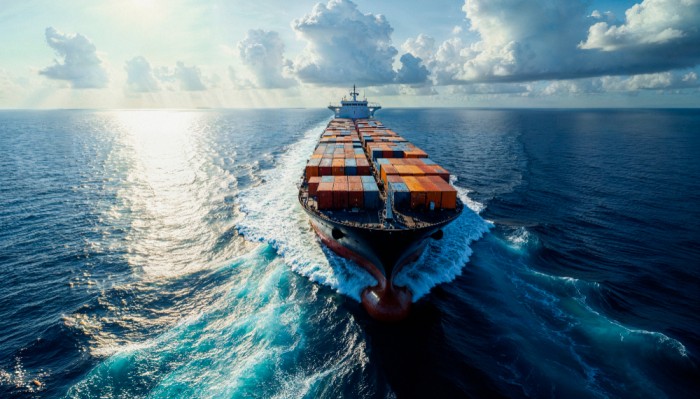
Israel’s defense forces confirmed the detection of a missile launched from Yemen, noting that their air defense systems were activated to counter the threat. The Red Sea serves as an essential channel for global shipping, connecting Europe and Asia via the Suez Canal. Past Houthi attacks on commercial vessels during the Israel-Hamas conflict compelled numerous shipping firms to divert their routes around southern Africa, thereby inflating transportation costs and extending delivery times.
This latest threat coincides with ongoing concerns about the safety of the Strait of Hormuz, a pivotal conduit for global energy exports. Any sustained disruption to these waterways could significantly affect international trade and the oil markets. The Houthis are aligned with the “Axis of Resistance,” a coalition of Iran-supported groups that includes Hezbollah, and have maintained control over significant territories in Yemen, including the capital Sanaa, since 2014.
Experts caution that renewed assaults on shipping could elevate the risks for commercial vessels operating in the region and further complicate an already unstable geopolitical landscape.