
The possibility of a peace agreement between the United States and Iran remains in a state of ambiguity as both nations send conflicting signals regarding the progress of their negotiations. US President Donald Trump has expressed skepticism about reports suggesting an imminent deal, criticizing Iran’s negotiation tactics and urging Tehran to act swiftly. Trump has dismissed earlier claims of a near-finalized agreement, stating that reports of a completed draft are not accurate.
Conversely, Iranian officials have indicated that the negotiations are advancing significantly, with the framework of a potential agreement nearing completion. They have, however, insisted that specific details will only be unveiled once all discussions are finalized. US officials have noted that there is a considerable chance an agreement could be signed in the coming days, potentially offering Iran economic incentives and sanctions relief in return for adherence to critical obligations.
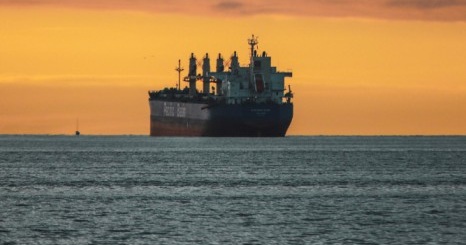
Despite these developments, substantial disagreements persist over various issues, including Iran’s nuclear ambitions, regional security matters, and the freedom of navigation through the Strait of Hormuz, a crucial corridor for global energy shipments. Recent military incidents in this region underscore the precarious security landscape, even as diplomatic efforts continue.
Both Washington and Tehran are under mounting domestic pressure to find a resolution. The US administration is eager to alleviate concerns over rising fuel prices and political fallout, while Iran grapples with economic hardships stemming from sanctions and inflation. Amidst these negotiations, Israeli Prime Minister Benjamin Netanyahu has reiterated Israel’s commitment to working with the US to prevent Iran from obtaining nuclear weapons, as discussions also address broader regional security issues.