
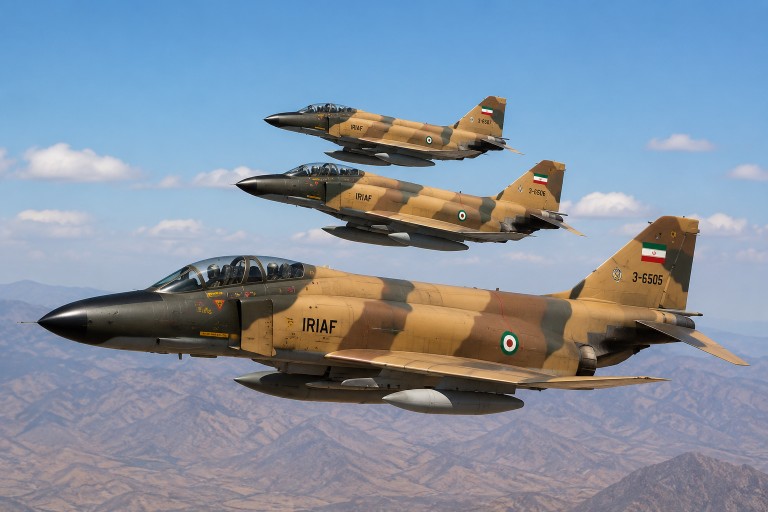
Recent developments in the Middle East have seen a rise in hostilities as Iran launched a series of missile and drone attacks aimed at Bahrain and Jordan. These actions follow a fresh round of U.S. military strikes on Iranian targets, marking a significant escalation in regional tensions. The U.S. targeted key locations in the Iranian port cities of Bushehr and Bandar Abbas, citing the necessity to diminish Iran’s capacity to pose threats to commercial shipping routes in the area.
Iran’s response targeted Bahrain, which hosts the U.S. Navy’s Fifth Fleet, as well as Jordan, where American military assets are stationed. Both nations reported successful interceptions of some of the incoming attacks, with Bahraini officials confirming that several assaults were thwarted. Jordanian authorities similarly reported intercepting multiple missiles before they could hit their intended targets.
This series of confrontations has also impacted maritime security, particularly in the strategically vital Strait of Hormuz. The recent attacks on two commercial tankers have intensified concerns about the safety and security of one of the world’s most crucial energy shipping lanes. As a result, there is growing apprehension that these incidents could lead to a broader regional conflict, complicating ongoing diplomatic efforts to ease tensions.
The situation has prompted international aviation authorities to caution airlines against flying over certain parts of the Gulf region due to heightened security risks. In reaction to the escalating instability, global energy markets have shown volatility, with crude oil prices experiencing an uptick as investors keep a close watch on the developments around the Strait of Hormuz, a vital conduit for global oil exports.