
New research paints a concerning picture of fatty liver disease prevalence, with findings suggesting that metabolic-dysfunction-associated steatotic liver disease could affect as many as 40 percent of adults. This means millions may be living with compromised liver function without recognizing any symptoms.
The condition develops alongside metabolic issues such as obesity and diabetes, independent of alcohol consumption. Without intervention, fatty liver can progress from a relatively benign condition to serious complications including fibrosis and cancer.
Diet represents one of the most accessible tools for managing and potentially reversing fatty liver disease. A nutrition specialist has identified five foods that demonstrate particular effectiveness in supporting liver health and reducing inflammation when consumed regularly.
Coffee enthusiasts will be pleased to learn that black coffee supports liver health. The caffeine in coffee has been scientifically shown to slow liver disease progression and reduce fatty deposits in the liver. Regular coffee consumption thus offers more than just energy—it provides meaningful liver protection.
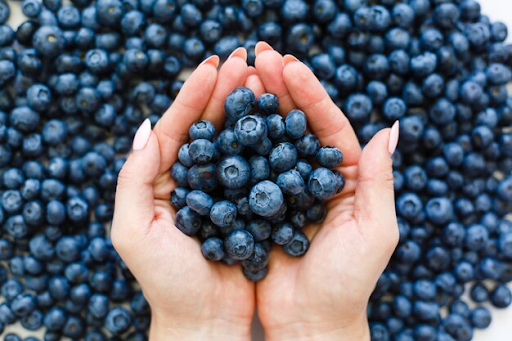
Blueberries consistently rank among superfoods for their wide-ranging health benefits, including liver protection. These small berries contain high concentrations of anthocyanins, compounds with powerful anti-inflammatory properties. These effects specifically benefit liver cells, helping to reduce inflammation and protect against fatty liver disease.
Amla stands out as a traditional superfruit with modern applications for liver health. Its remarkably high vitamin C content provides strong antioxidant effects that help reduce oxidative stress. This reduction in oxidative stress directly benefits liver health and can improve fatty liver conditions.
The nutrient-dense avocado offers specific advantages for liver health through its glutathione content. This compound plays a crucial role in liver cell production and regeneration, supporting the liver’s natural healing processes. Glutathione also helps reduce oxidative stress, thereby slowing fatty liver disease progression.
Turmeric and black pepper form a synergistic pairing for liver health. Turmeric contains curcumin, renowned for its anti-inflammatory and antioxidant capabilities. Black pepper enhances the body’s ability to absorb curcumin through its piperine content. Together, they create a powerful combination for reducing inflammation and preventing fatty liver.